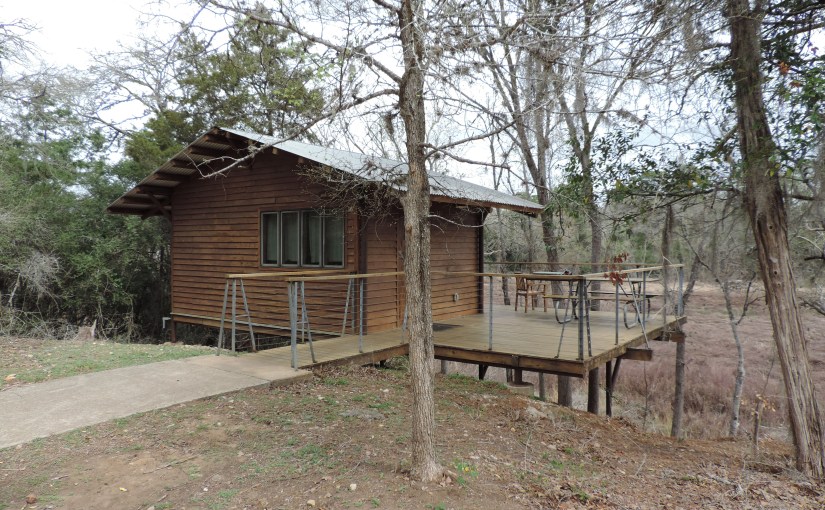
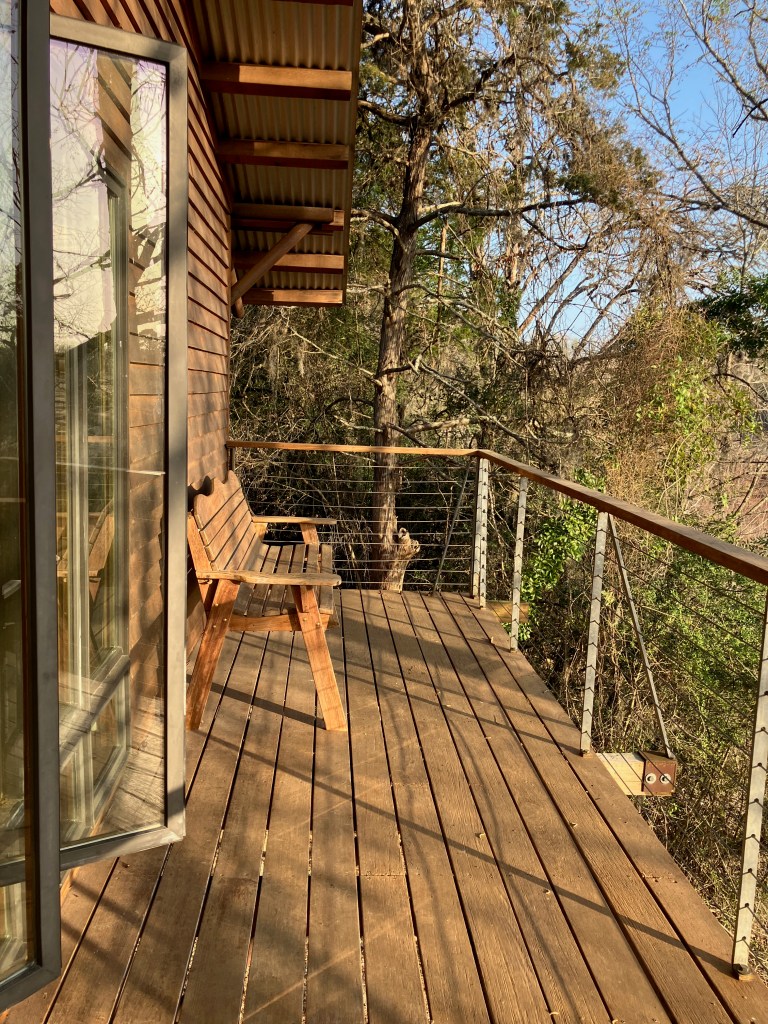
My porch faces northeast. The storm is coming from southwest. I hear it rumbling this way.
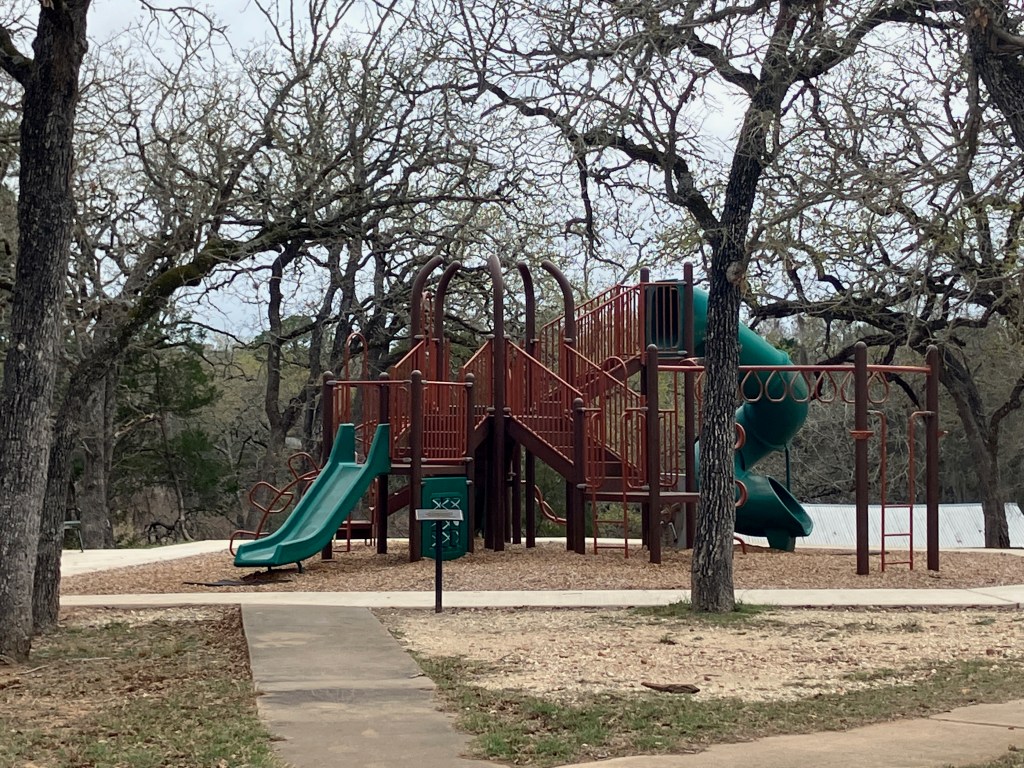
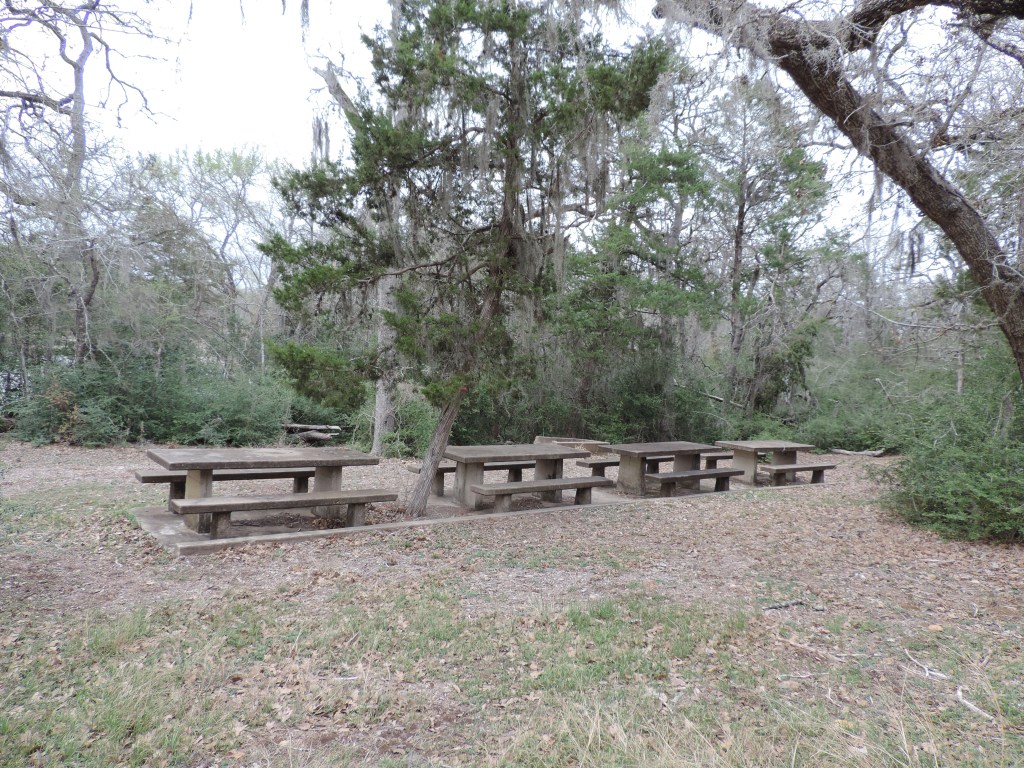
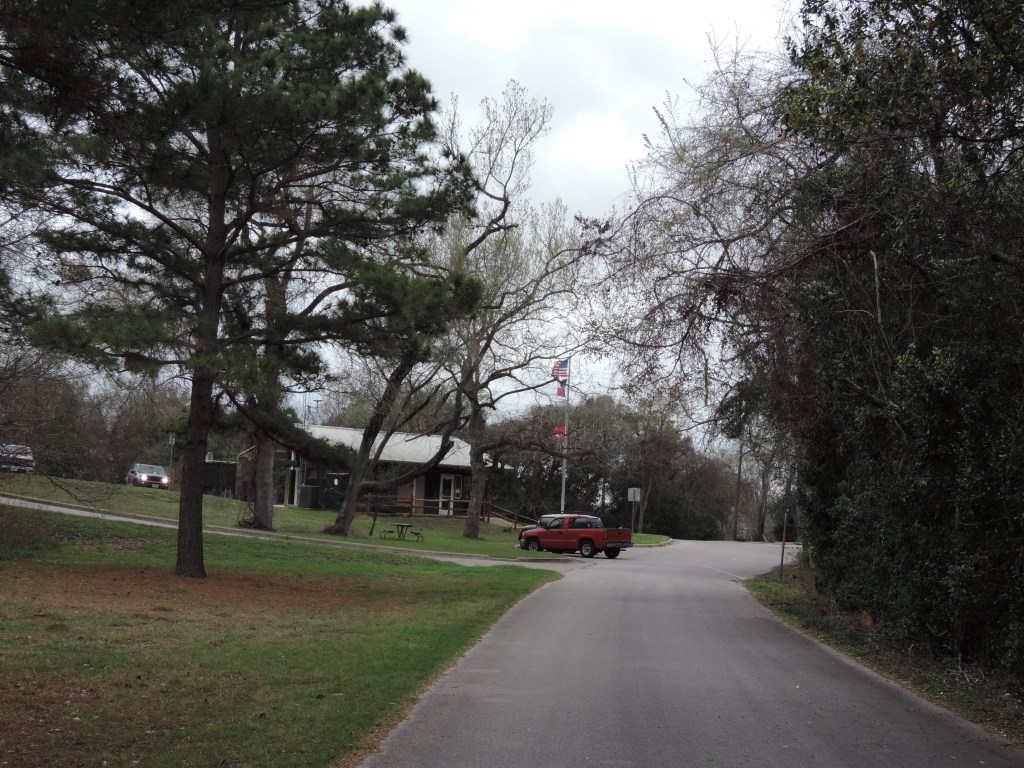
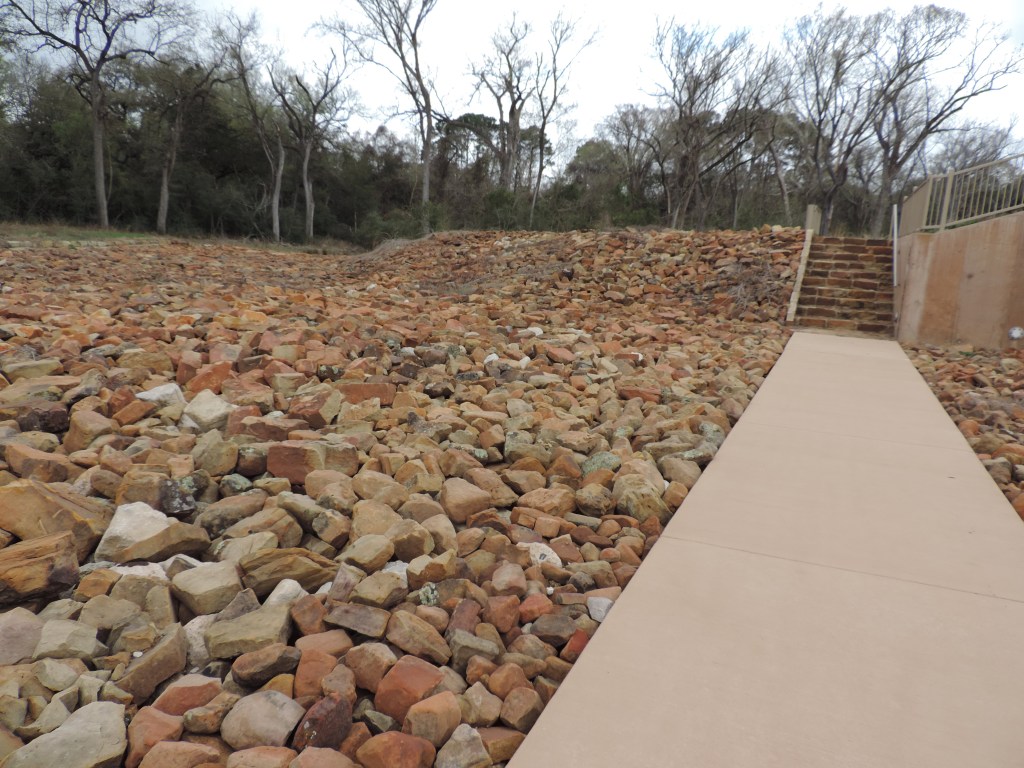
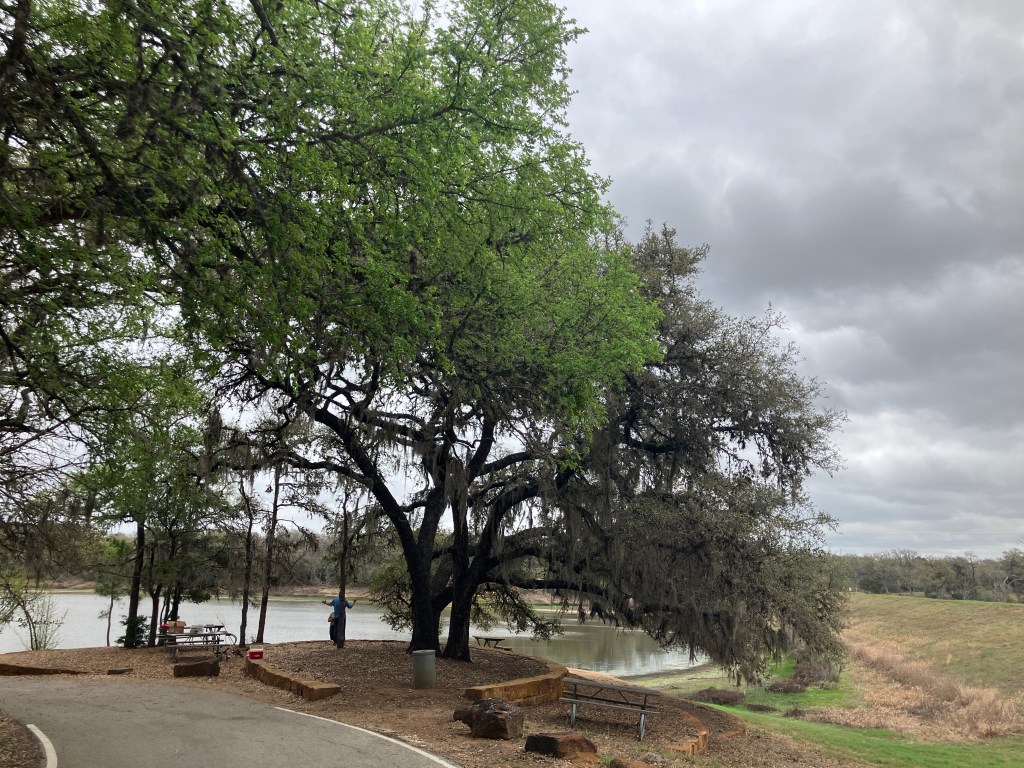
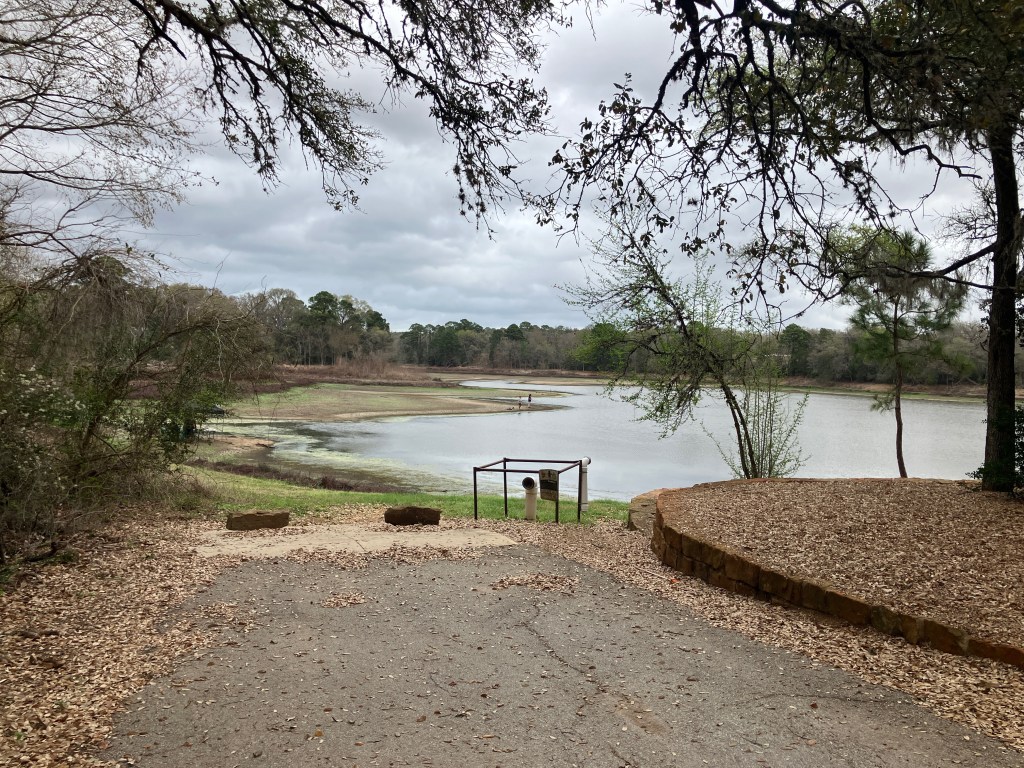
The sky opened up and framed the sun early in the afternoon. During those hours, I ventured out. I walked along the narrow asphalt that circles the park, enclosing picnic grounds, playgrounds, campgrounds, cabins, and the recreation hall, all set about the little central lake. In the center, the lake is dry now, the bottom shaggy with rust-colored brambles.I am walking to the recreation hall, where I have enjoyed the company of family— reunions— time and again over the last forty years or more. Of all the state parks we’ve gathered at, this has been the favorite.
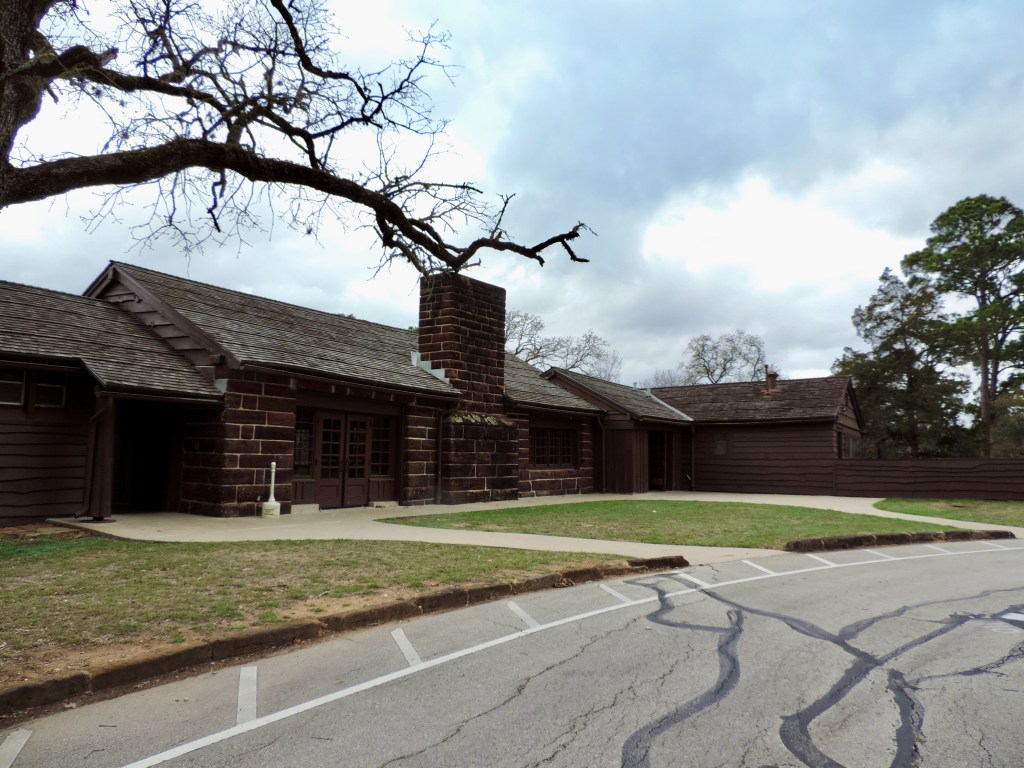
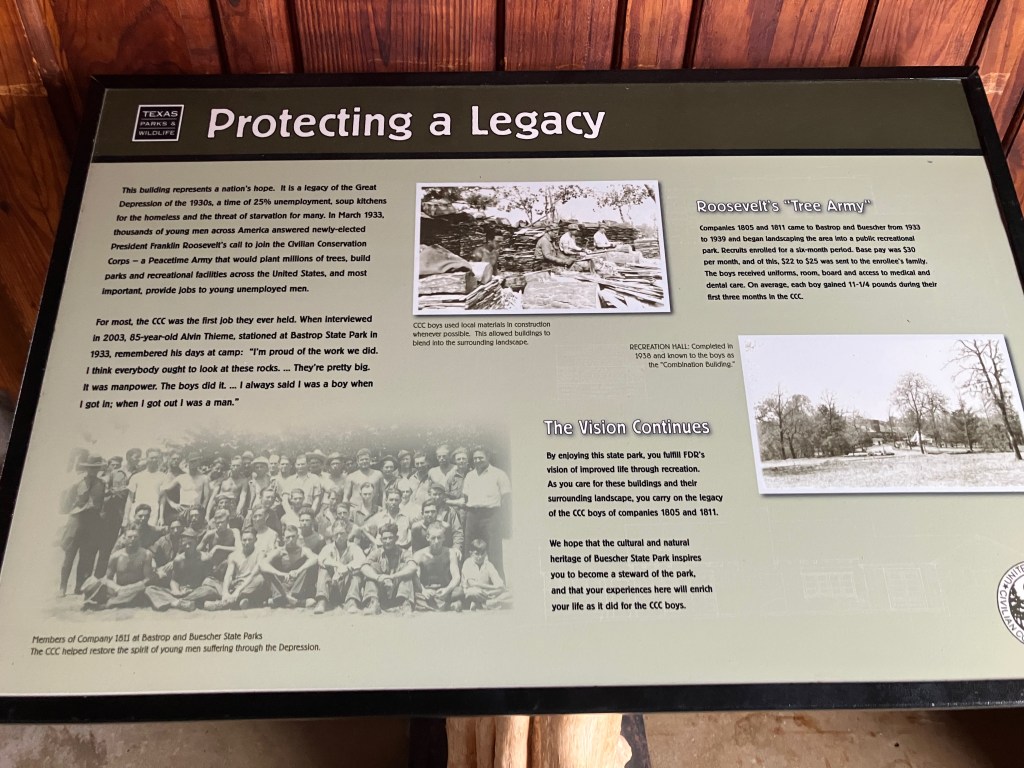
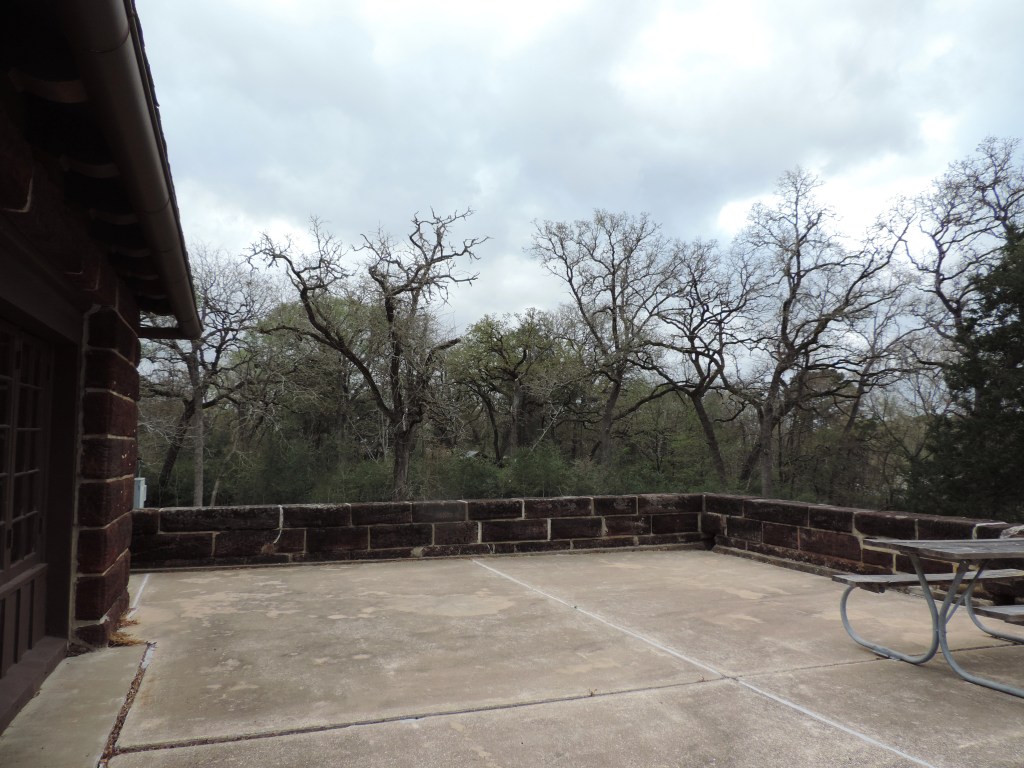
The grand old recreation hall is a monument from the Civilian Conservation Corps, a gift from the New Deal. Built of huge blocks cut from red stone, it sits at the edge of a slope. The front meets the driveway with a rustic wall pierced by rows of windows. The rough stone walls on either side rise from the falling slope, so that at the back a blank wall rises up eight feet to a concrete terrace with a view to the dry lake.
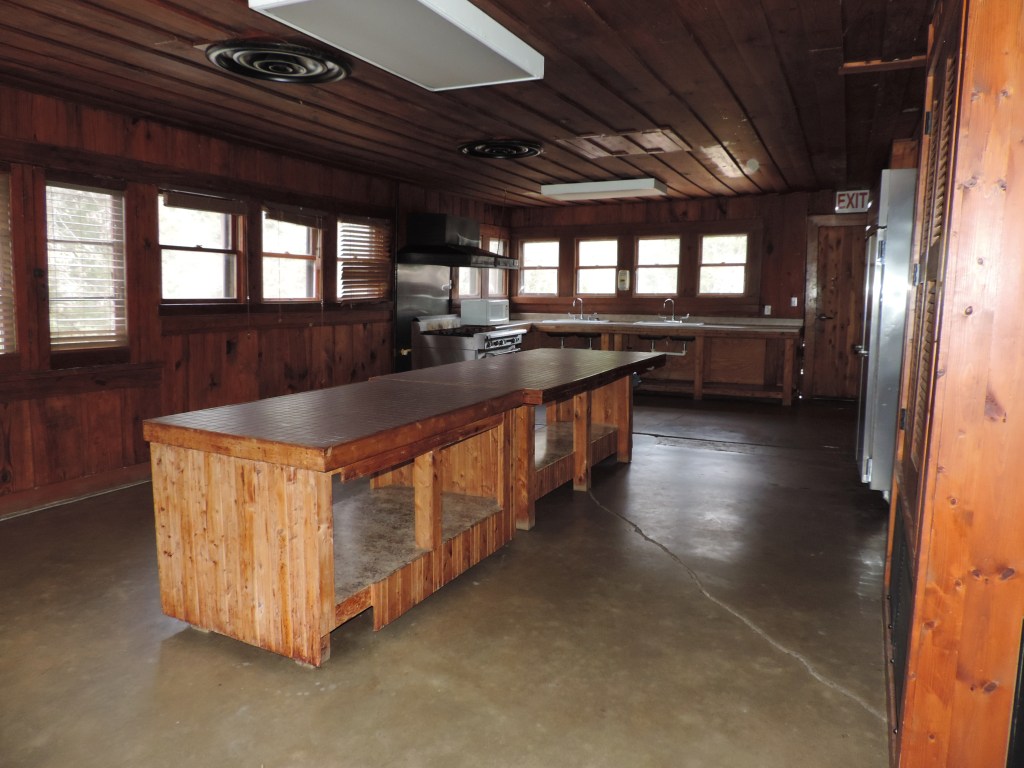
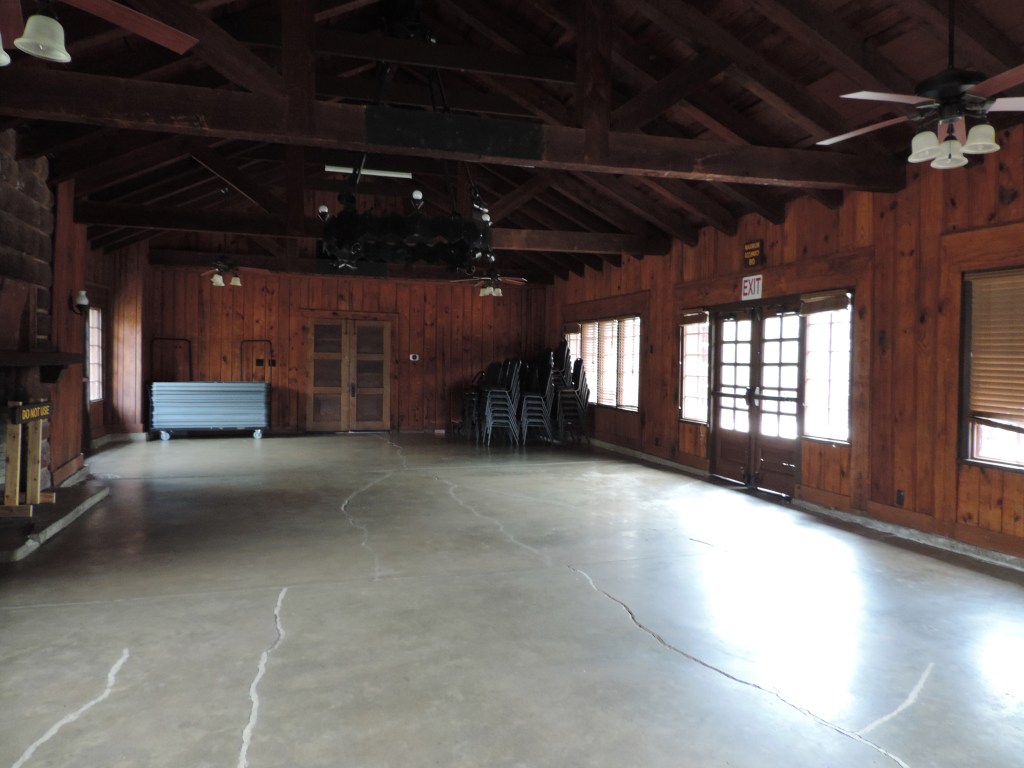
Inside, the hall is a polished cement floor roofed by heavy beams and rafters with cast-iron chandeliers. The banks of windows let in the light. It shines on the floor, but it can’t reach to the rafters. I love the old smell in there. Off to one side is the kitchen. Off to the other side is a breezeway and bathrooms.
I pass out onto the terrace. It is filled with the images of family members, younger, much younger, or now gone. I linger among them. Everywhere I look I see memories of people I loved, and some I just tolerated, busy with each other. I look over the broad stone parapet down to the grass where kids play.
It occurs to me that this terrace is a locus of power— not in the manner of the Hill of Tara, or of Stonehenge, but a monument to family. I’ve been told that the foundation is sinking or sliding, and the building is cracking. This a national treasure. Cherish and preserve it.
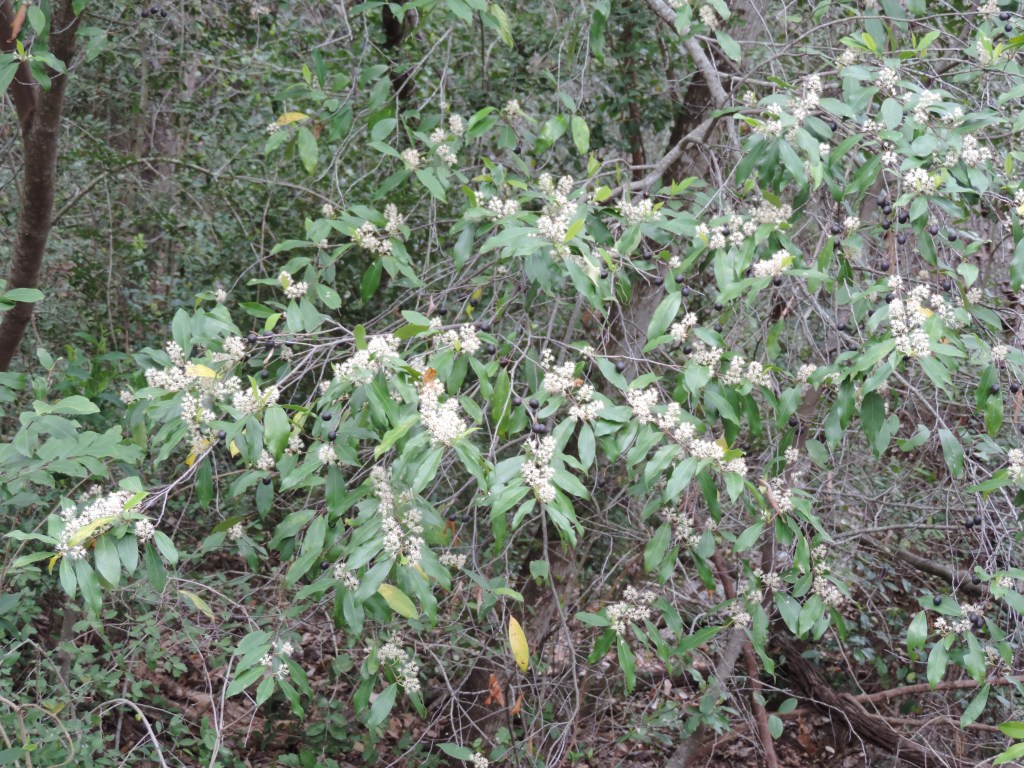
Passing by the fishing pier, I meet Madalyn, a park ranger who is there to teach visitors to fish. She talks to me about Mexican plums and mountain laurel and pine warblers, and beavers.
Back at my cabin I read a little and rest a little. This cabin is sided with rough-sawn planks stained red. It is also built on the edge of the slope down to the dry lake, with a suspended plank porch jutting out over the slope.
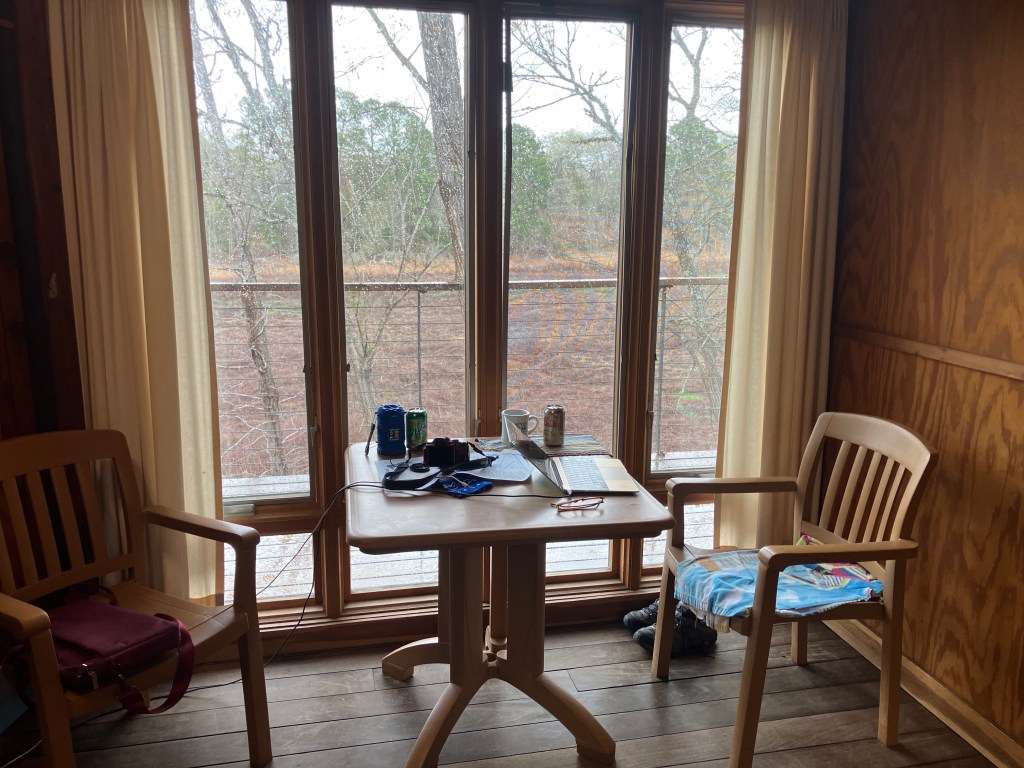
It’s a tidy little place with a pitched ceiling and walls of stained plywood and a plank floor. Two bunksets face each other at one end. Two good banks of windows face each other at the other end with a door in the end wall. The windows end high on one wall, with a featureless kitchen counter below. They stretch low on the opposite wall, with a breakfast table inside and the porch outside and the lake view beyond.
Outside now there is no view. The windows are all black. The night is full dark. The storm has passed by without passing over. It grazed us with a little sprinkle.
The toads are singing. Not the lamented Houston toads, but their cousins. I knew Houston toads in Houston, long ago. I’m told the rangers spread Houston toad eggs in ponds in the spring. But they have not re-established themselves. I hope they will.
 RobinCravey