Fifty years ago

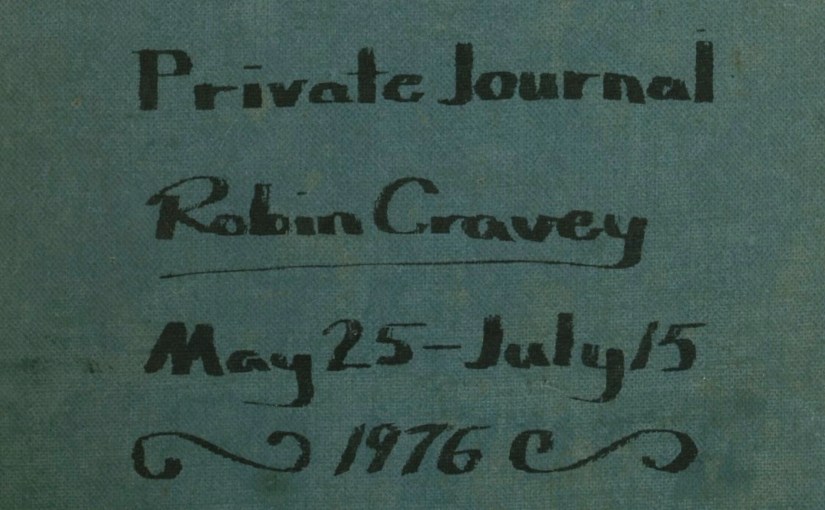
In 1976 I started this journal.  And this journal has been active ever since.

Before this, I had made several failed attempts to start a journal.  I had several books half filled with journal entries.  But, the books themselves didn’t work.  The bindings were too tight, and the pages were too small.  The last book was too big—ledger size.

Finally, I found the perfect book.  It was a composition book, with pages a little smaller than letter size.  It had a sewn binding, so it opened flat, which made it easy to write in.  It ad 120 pages, so it wasn’t too thick to carry.  It became my constant companion.  It still is.

Why keep a journal?  If you have to ask, as the saying goes, you wouldn’t understand.  But, really…

First, it’s a way to tell my story.  Who am I telling it to?  Me, I guess.  You, too, if you’re reading it.  But, when you keep a journal for years and years, it becomes a guide to your life.  It helps you figure out what’s worth remembering, which takes longer than you’d think.

For me, the journal was more.  It was a safe place to write my poems.  I had ringbinders full of poems, and I wanted something more secure.

It was also the workbook for first drafts of essays and articles I wanted to write.  Dash it off in the journal, then develop it later on the typewriter.  (Remember those?)

It was also proof of copyright.  If it was in the journal, it was mine.

Of course, there was no worry about copyright if my writing was never published, and mostly, it wasn’t.  Sending out submissions was such a tedious bore.

Writing in the journal is also a way to touch home with myself.  Sitting in the bar or coffee shop with the journal on the table and a pen in my hand: that’s the true me.  It’s my fundamental personal tradition.

The journal has evolved, and the pen has evolved.  One day in the seventies, I was riding my motorcycle through a rainstorm.  I didn’t notice the journal fall off the rear rack.  By the time I discovered it gone, rode back, and discovered it in the gutter, the rain had washed almost all the ink from the pages.  This began my search for ink that would stand and a page that could hold that ink.

I discovered dip pens and India ink.  (My favorite nib was and still is the Speedball B-6.)  I loved the smooth effortless glide of the pen across the paper.  I loved the heavy expressive black line of the ink.  But, it wasn’t very portable.  And it bled through the pages.  I kept trying new combinations.

Currently, I’m writing in a bound sketchbook, the “hand•book journal,” with a Parker fountain pen loaded with Quink ink.  It’s almost perfect.  Almost.

Now that I have over 85 journals on the shelf, I’m thinking of it as the rough draft of my memoir.  Why write a memoir?  If you have to ask, I’d love to tell you.
Buescher State Park

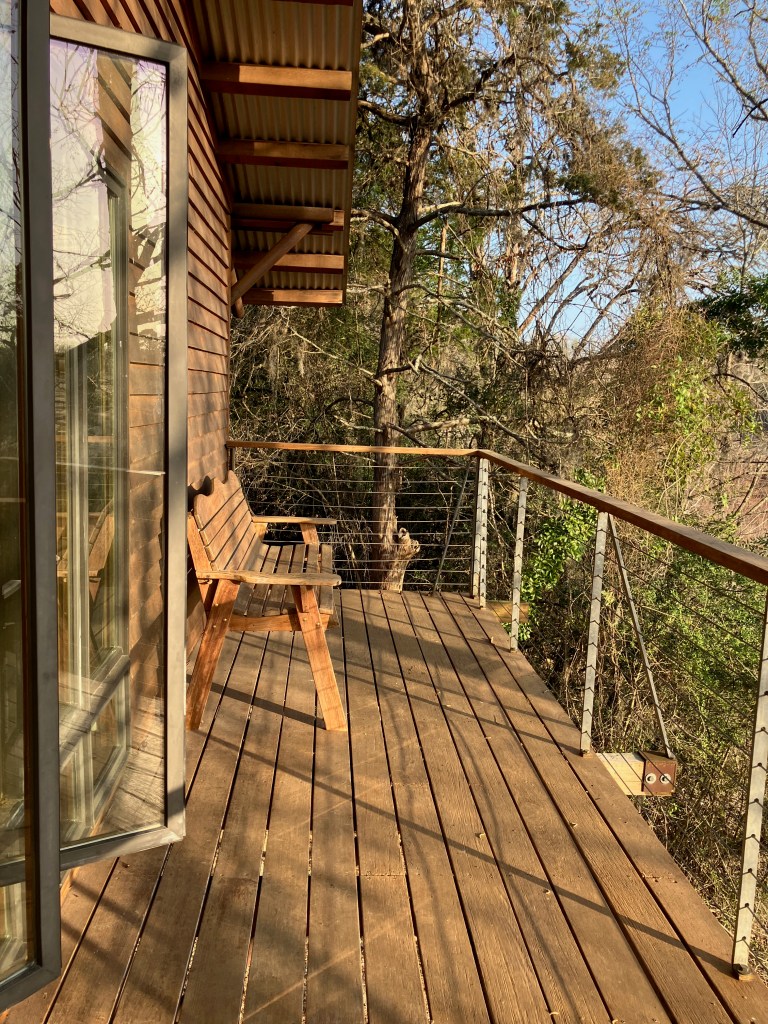
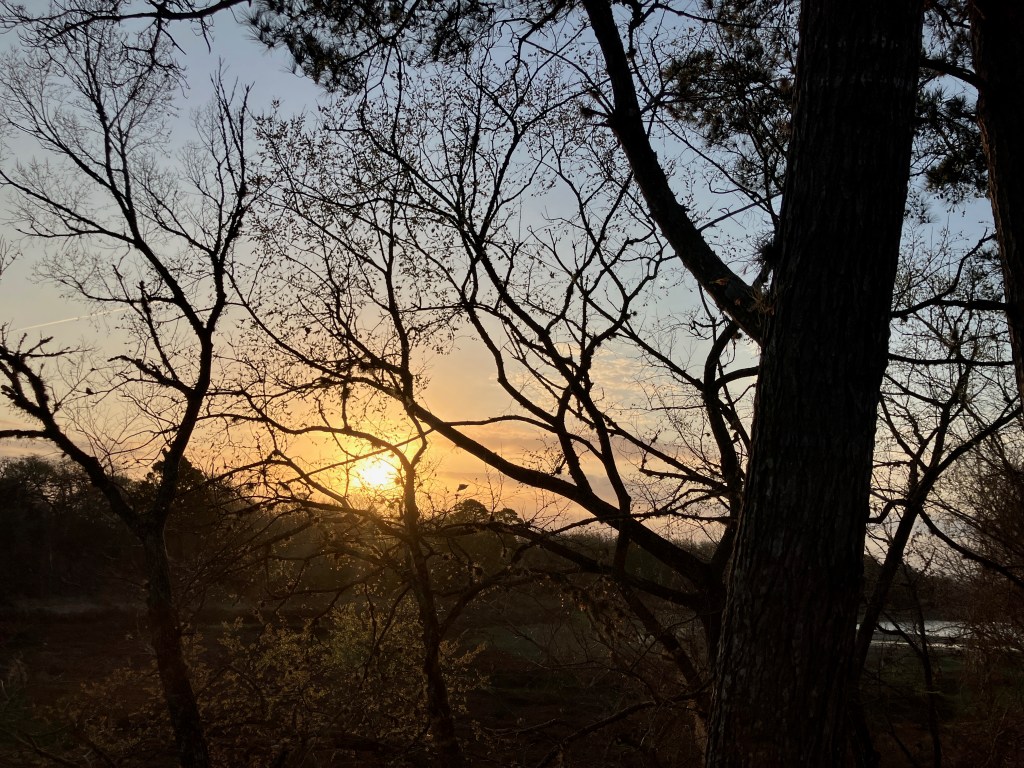
My porch faces northeast.  The storm is coming from southwest.  I hear it rumbling this way.

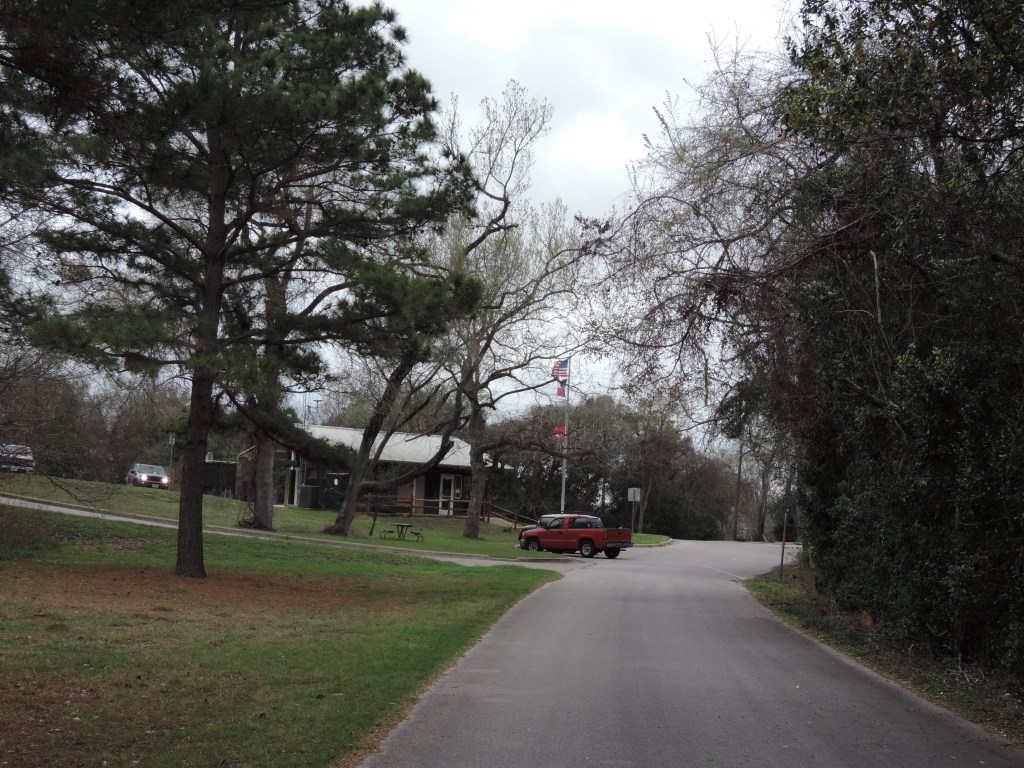
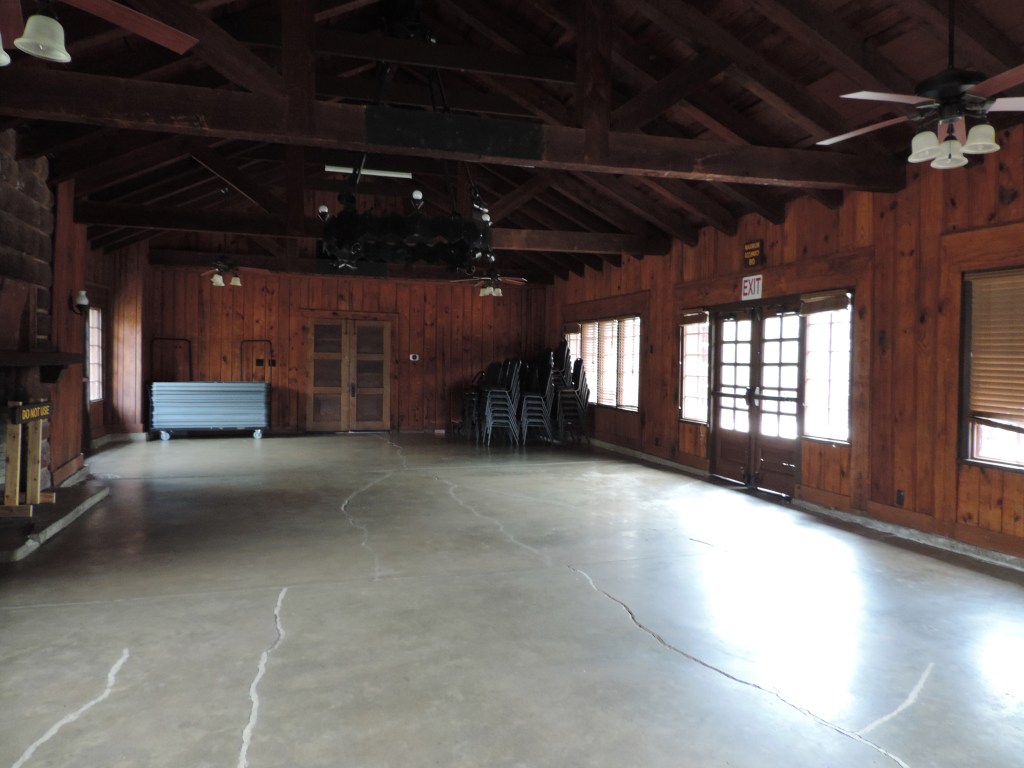
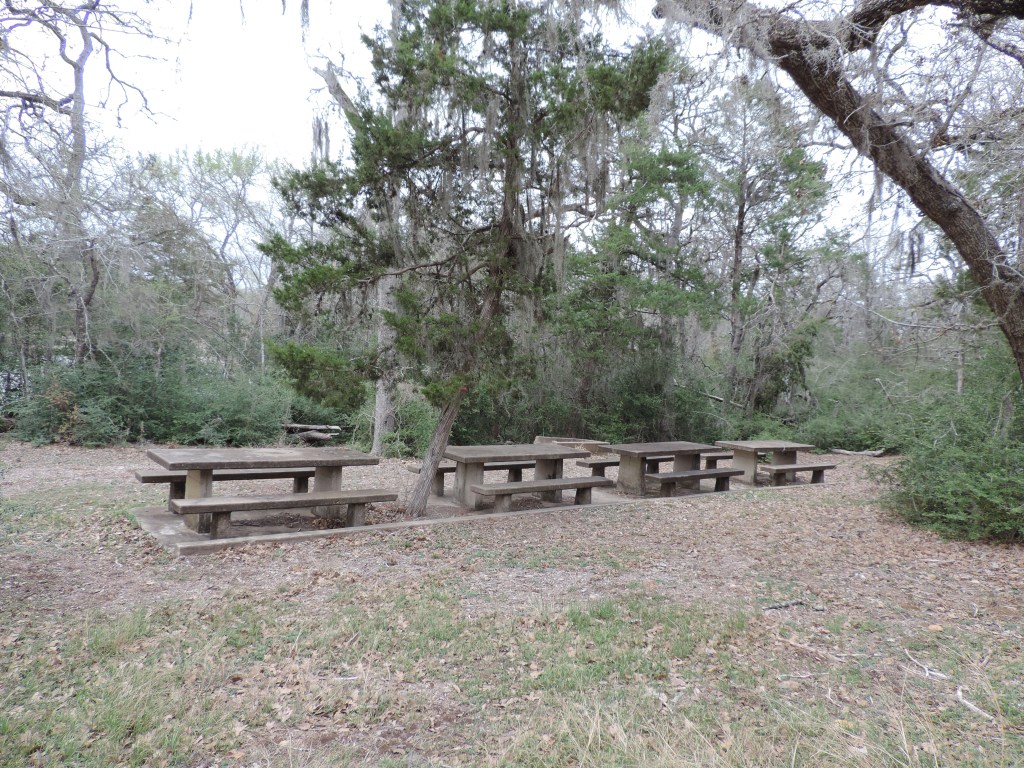
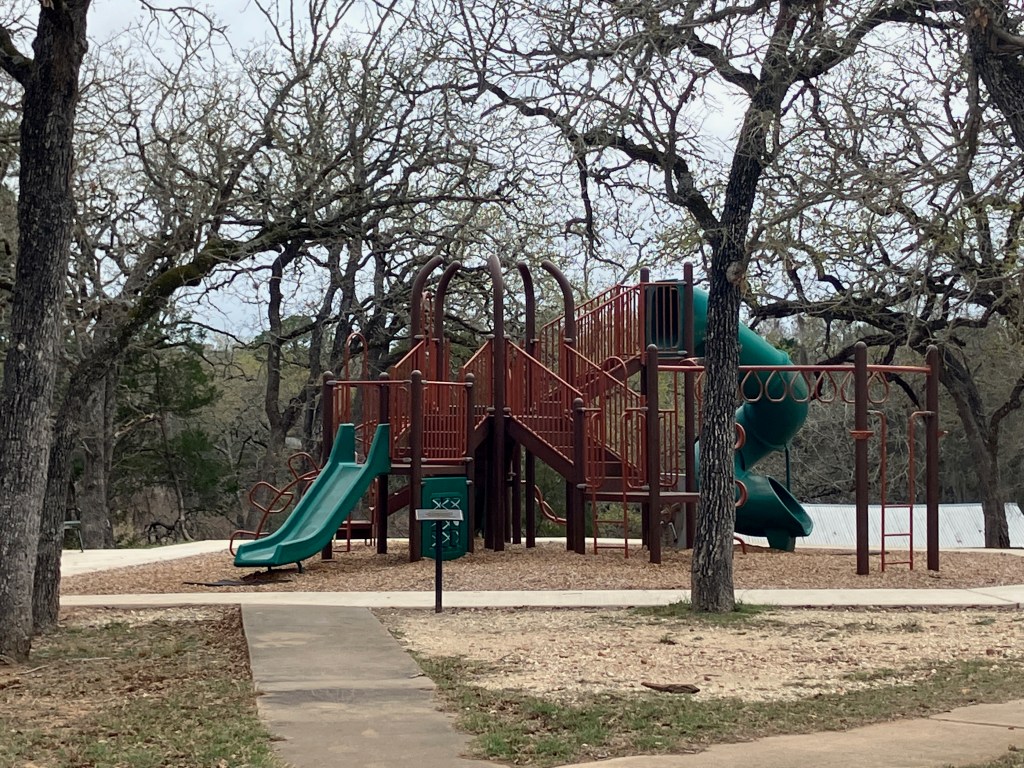
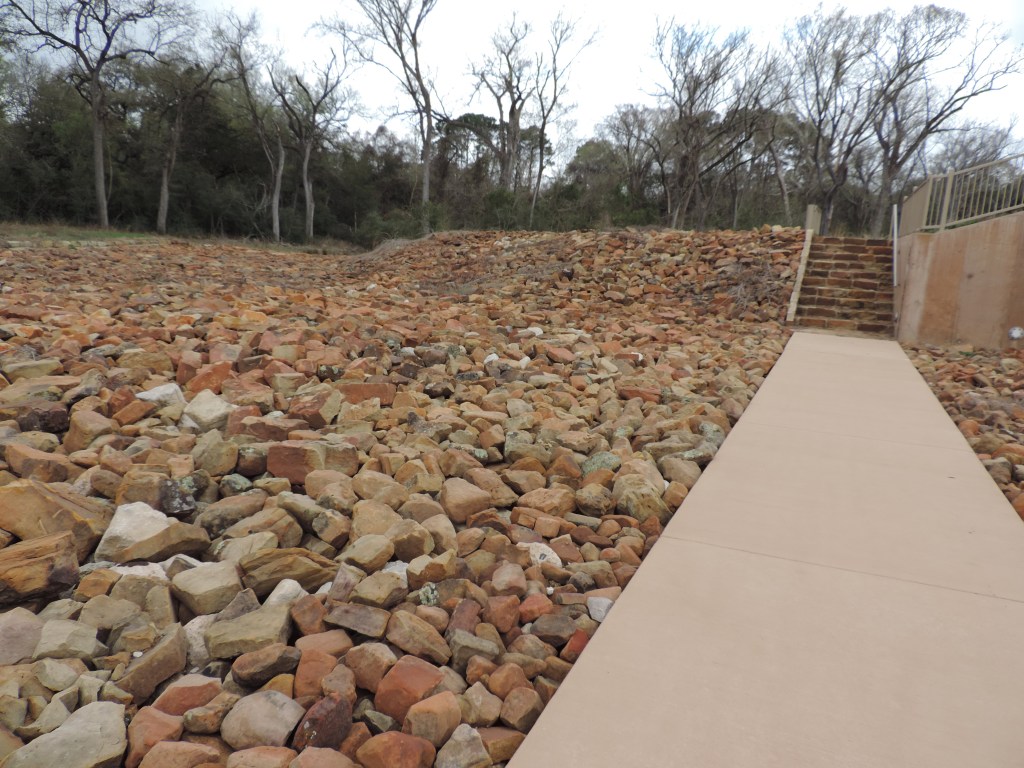
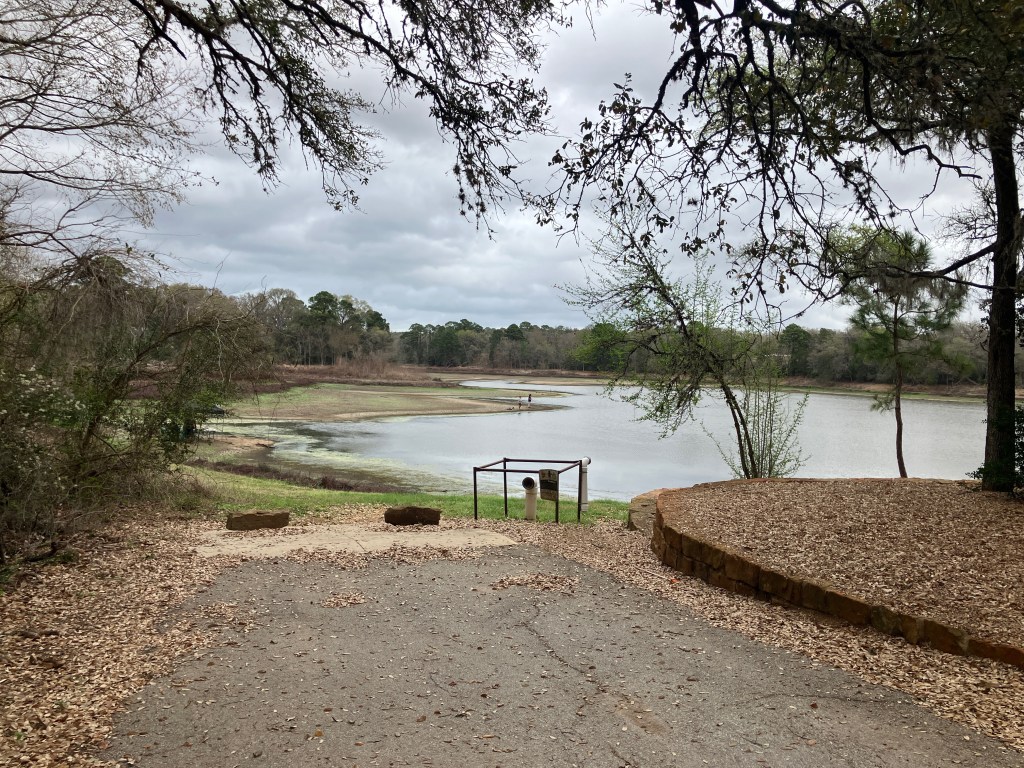
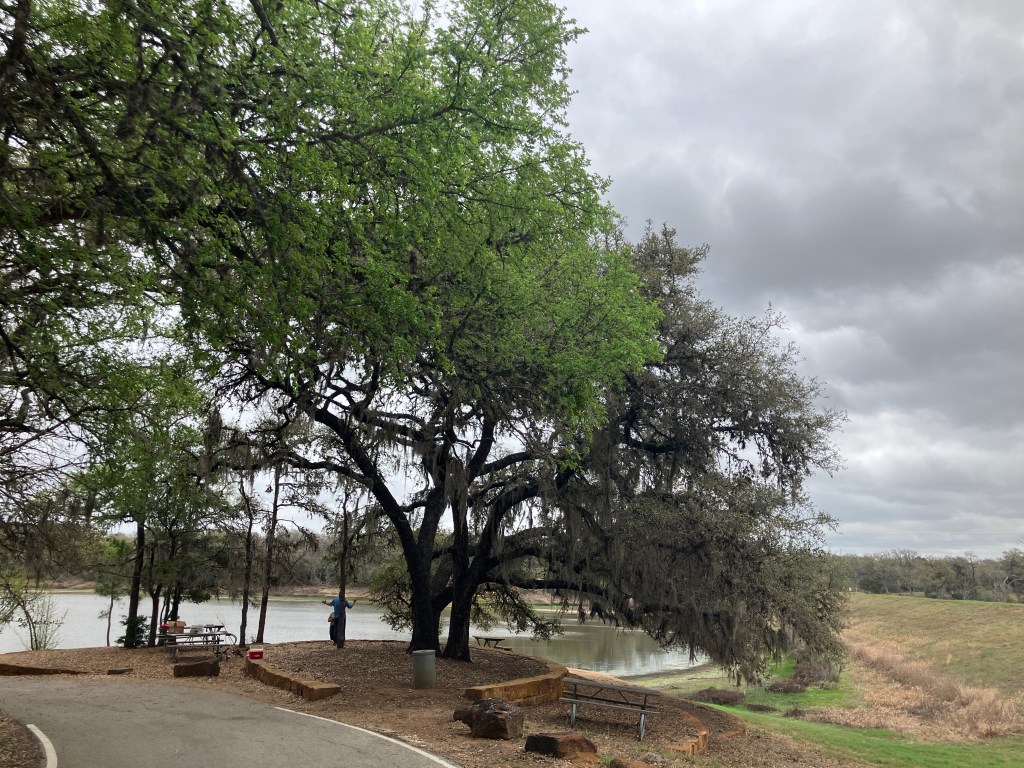
The sky opened up and framed the sun early in the afternoon.  During those hours, I ventured out.  I walked along the narrow asphalt that circles the park, enclosing picnic grounds, playgrounds, campgrounds, cabins, and the recreation hall, all set about the little central lake.  In the center, the lake is dry now, the bottom shaggy with rust-colored brambles. I am walking to the Recreation Hall, where I have enjoyed the company of family— reunions— time and again over the last forty years or more.  Of all the state parks we’ve gathered at, this has been the favorite.

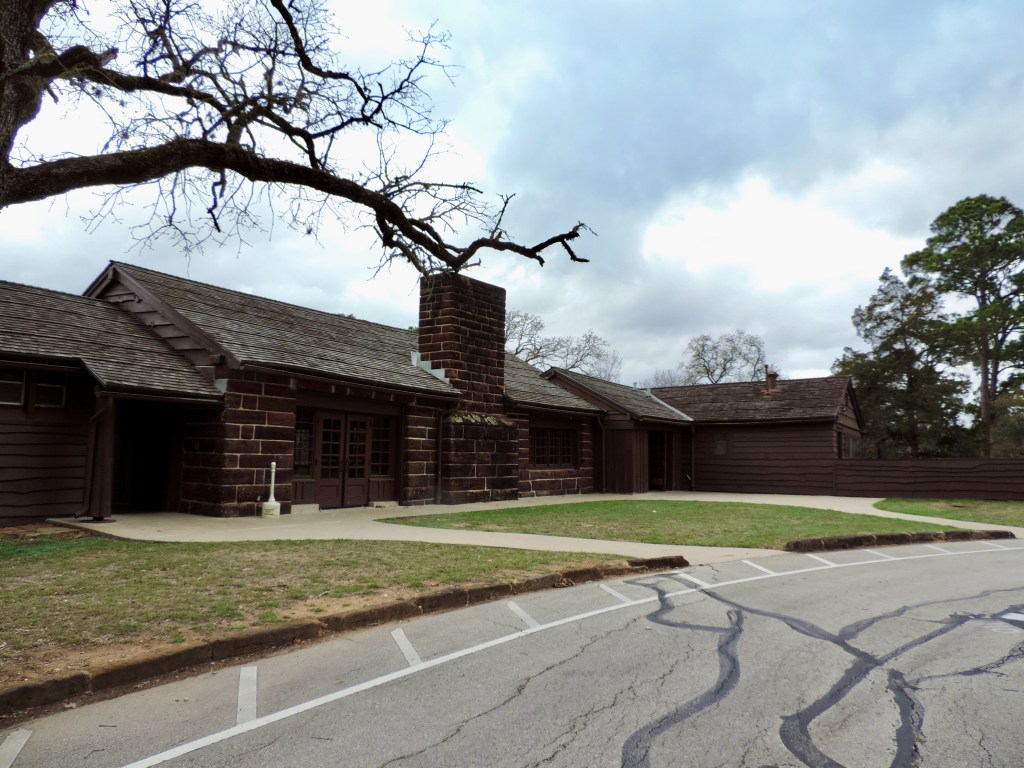
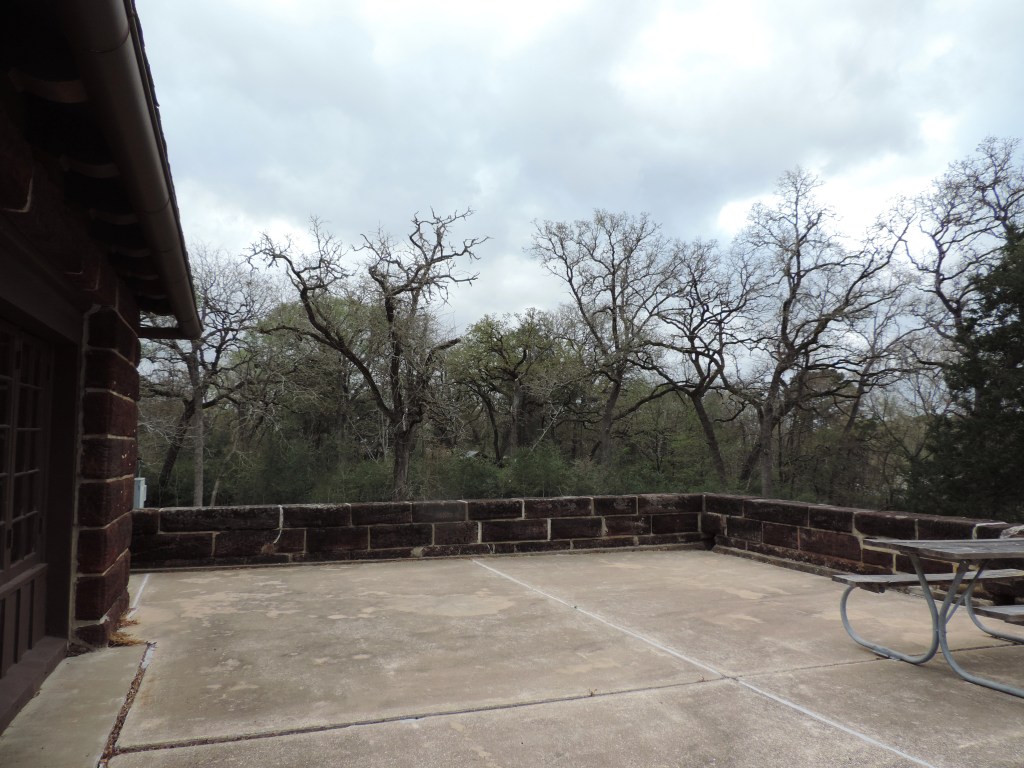
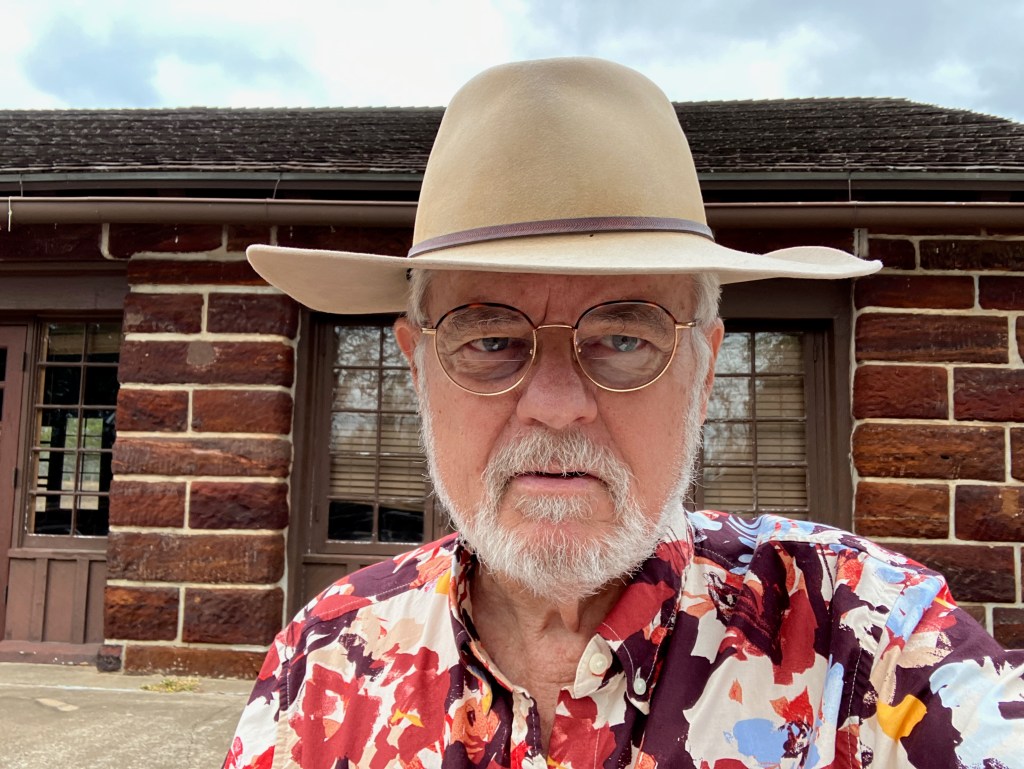
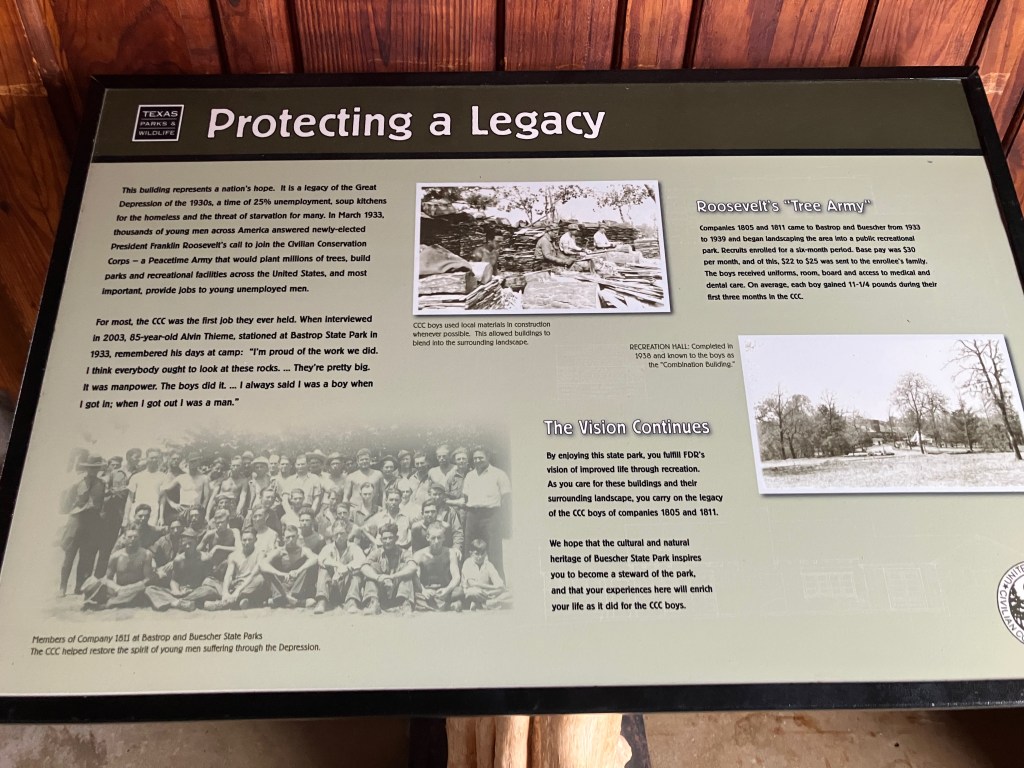
The grand old Recreation Hall is a monument from the Civilian Conservation Corps, a gift from the New Deal.  Built of huge blocks cut from red stone, it sits at the edge of a slope.  The front meets the driveway with a rustic wall pierced by rows of windows.  The rough stone walls on either side rise from the falling slope, so that at the back a blank wall rises up eight feet to a concrete terrace with a view to the dry lake.

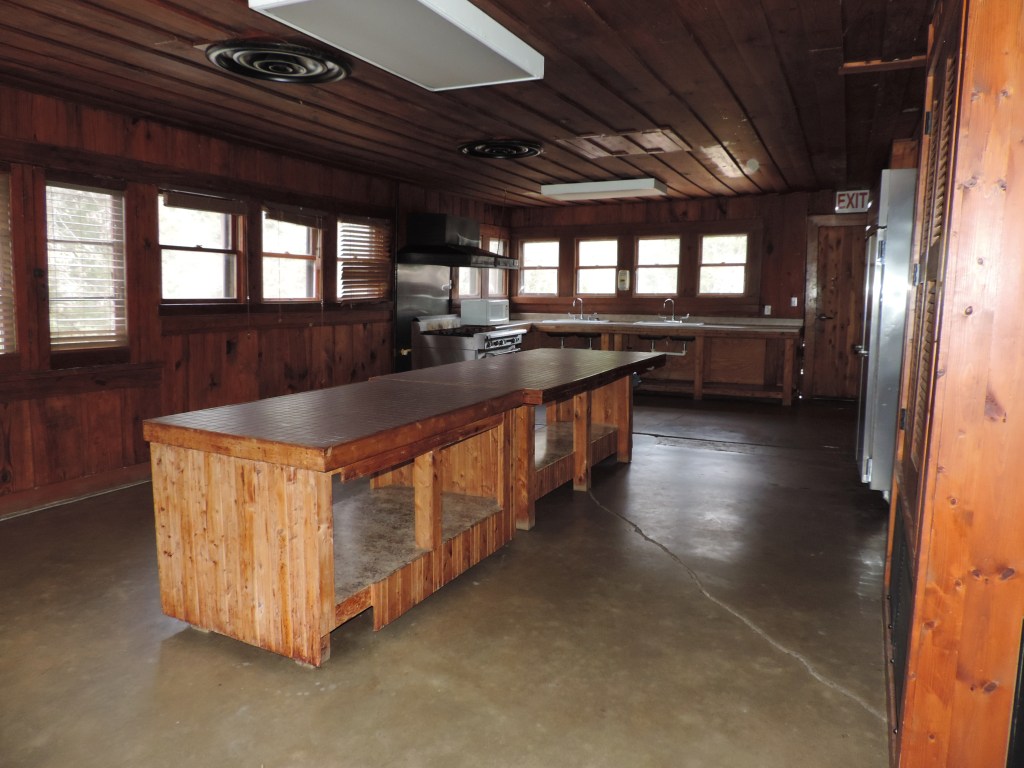
Inside, the hall is a polished cement floor roofed by heavy beams and rafters with cast-iron chandeliers.  The banks of windows let in the light.  It shines on the floor, but it can’t reach to the rafters.  I love the old smell in there.  Off to one side is the kitchen.  Off to the other side is a breezeway and bathrooms.

I stroll out onto the terrace.  It is filled with the images of family members, younger, much younger, some now gone.  I linger among them.  Everywhere I look I see memories of people I loved, and some I just tolerated, busy with each other.  I look over the broad stone parapet down to the grass where kids play.  

It occurs to me that this place is a locus of power— not in the manner of the Hill of Tara, or of Stonehenge, but a monument to family.  I’ve been told that the foundation is sinking or sliding, and the building is cracking.  This a national treasure.  Cherish and preserve it.

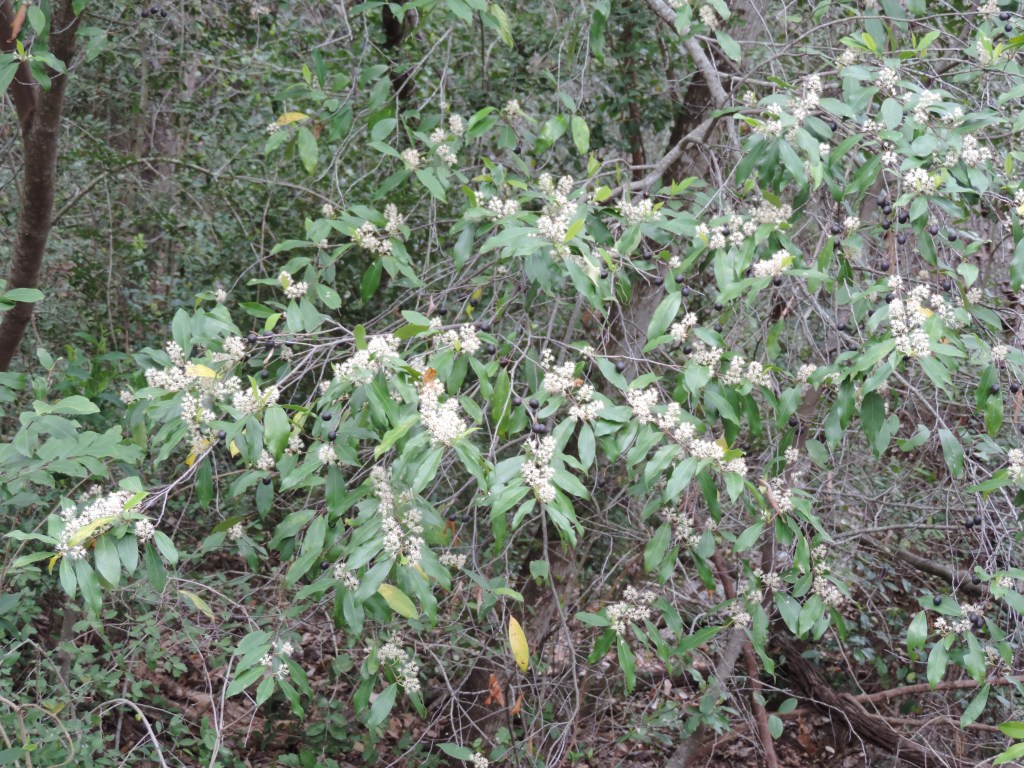
Passing by the fishing pier, I meet Madalyn, a park ranger who is there to teach visitors to fish.  She talks to me about Mexican plums and mountain laurel and pine warblers, and beavers.

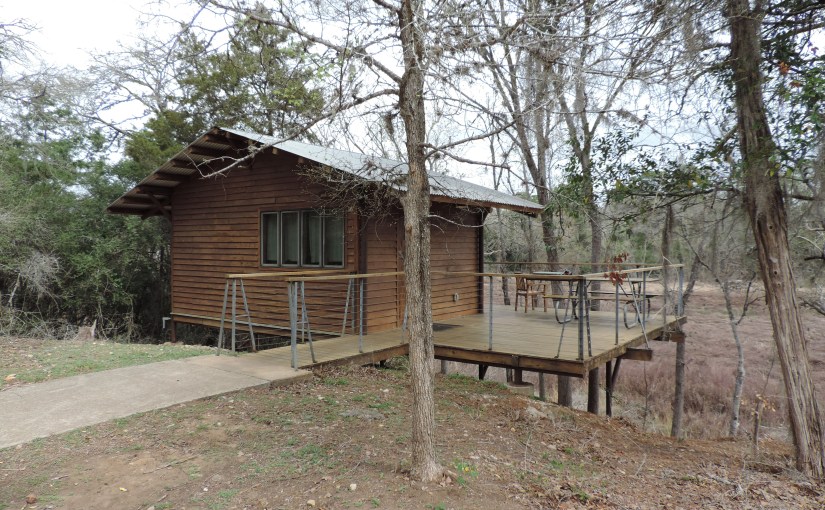
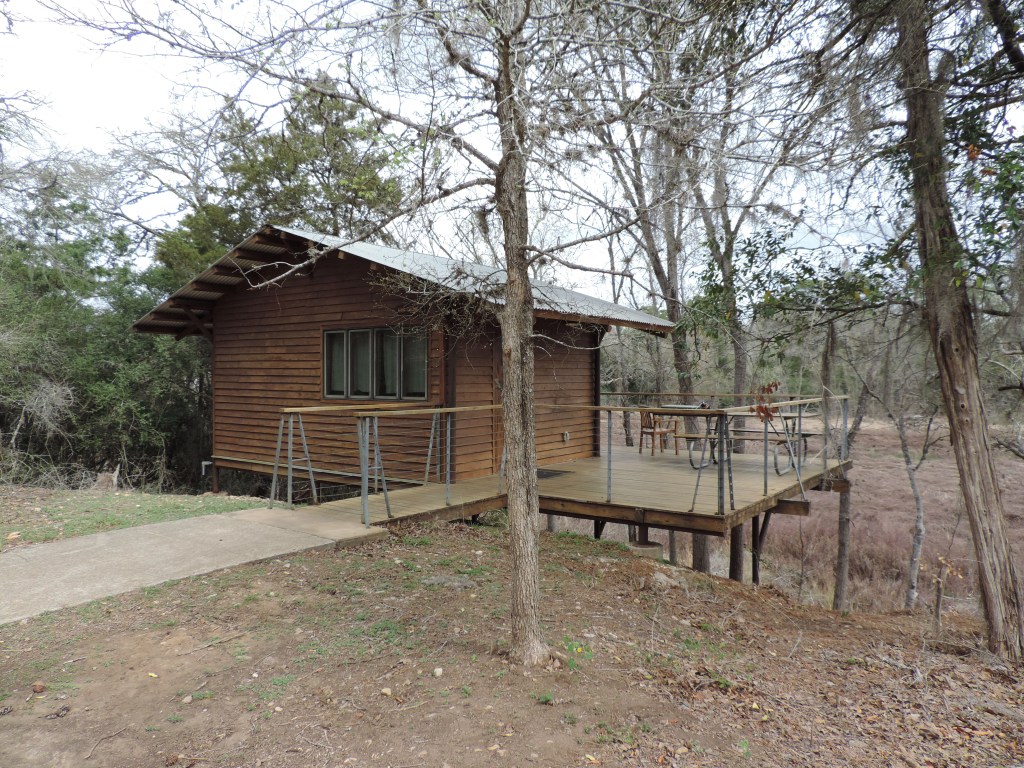
Back at my cabin I read a little and rest a little.  This cabin is sided with rough-sawn planks stained red.  It is also built on the edge of the slope down to the dry lake, with a suspended plank porch jutting out over the slope.  

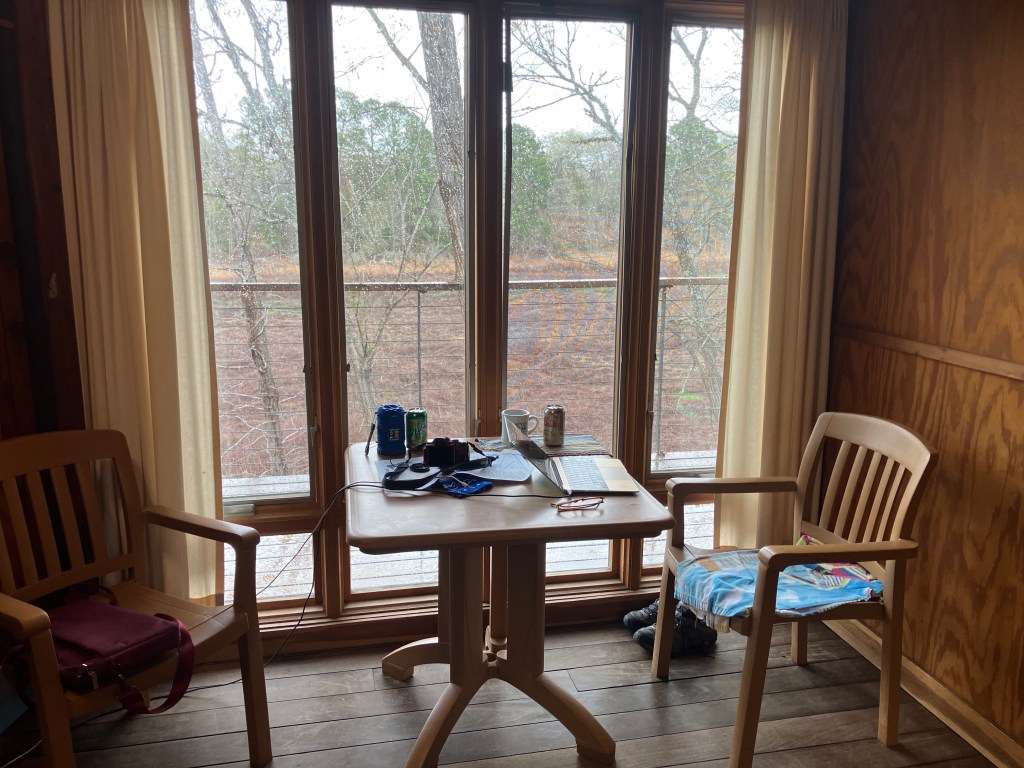
It’s a tidy little place with a pitched ceiling and walls of stained plywood and a plank floor.  Two bunksets face each other at one end.  Two good arrays of windows face each other at the other end with a door in the end wall.  The windows begin high on one wall, with a featureless kitchen counter below.  They stretch low on the opposite wall, with a breakfast table inside and the porch outside and the lake view beyond.

Outside now there is no view.  The windows are all black.  The night is full dark.  The storm has passed by without passing over.  It grazed us with a little sprinkle.

The toads are singing.  Not the lamented Houston toads, but their cousins.  I knew Houston toads in Houston, long ago.  I’m told the rangers spread Houston toad eggs in ponds in the spring.  But they have not re-established themselves.  I hope they will.

You know they blew it.

Did you know that Garry Trudeau is to blame for the lousy implementation of handwriting to text on the ipad?

When apple brought out the newton, which was the blackberry killer, doonesbury mercilessly lampooned the handwriting to text errors of the newton.  Nonsensical things.

Palm Pilot competitor. ..

Steve Jobs hated the newton.  He called it the scribble pad.  As soon has he retook control of apple, he killed the newton.

I think he developed an aversion to handwriting to text.

When they released the first ipad, there was no mention of it.  a lone developer released a separate app for it, but they were not promoted by  apple.

When apple released the first ipad, I bought one.  I wanted a tablet that I could write on with a stylus and  have display text.  There had to be a way.  Yes, by going to great lengths you could do it, but it was not part of the operating system.  It was an extra application.  I didn’t buy another ipad for a long time.

It was after Tim Cook made the pencil work with the low end ipad, I  bought again.  Handwriting to text was mentioned parenthetically.  It was a little easier.

And this is why the ipad is a failure.  The most natural way to write is to sit with a pen in one hand and a paper in the other.  This is really the only reason for an ipad to exist.

Steve said, so I’ve heard, that when you see a new company bring out their handheld device, ‘if you see a stylus, you know they blew it.’

Once again, the very idea of writing is scorned.

Instead, they have turned the ipad into an always trailing camp follower to the mac.  The operating system is clumsy, but it will nearly do what a mac can do.  It’s sort of a lightweight production machine.  Wow!  

I say, if you see a keyboard, you know they blew it.